
Last Updated on January 29, 2026 by PorchLightReading
Family travel guide to visiting McLeod Plantation Historic Site and learning the deep history of the enslaved who once worked there through the Slave to Freedom tour.

If you’re not familiar with the area you might think that a plantation tour is pristine gardens, grand houses, live oak trees dripping with Spanish moss, and old money.
It’s a very romantic way of looking at the history of the area, and one that paints a picture resembling scenes from the movie Gone With The Wind. But the past was dark and uncomfortable, one that McLeod Plantation has decided to embrace to educate everyone who walks these grounds.
Through the tour given by one of their knowledgable members, you learn about the enslaved who once worked this land and are encouraged to ask the uncomfortable questions to leave with a better understanding of the hardships that were faced in the South, just one hundred and sixty years ago, because your skin was the wrong color.
Follow us on…

This post may contain affiliate links. As an Amazon associate I earn from qualifying posts at no additional cost to you.
- Table of contents: McLeod Plantation Historical Site
- Historical Guided Tour
- The grounds
- Slave quarters
- McLeod Plantation house
- Hours and admission
- Frequently asked questions
- Tips for your visit
- Things to do in the area
This wasn’t our first time visiting a plantation and others do have tours that touch on this sensitive topic. But this was the first tour we’ve been on that was completely dedicated to helping you understand slaves daily lives.

McLeod Plantation Historic Site
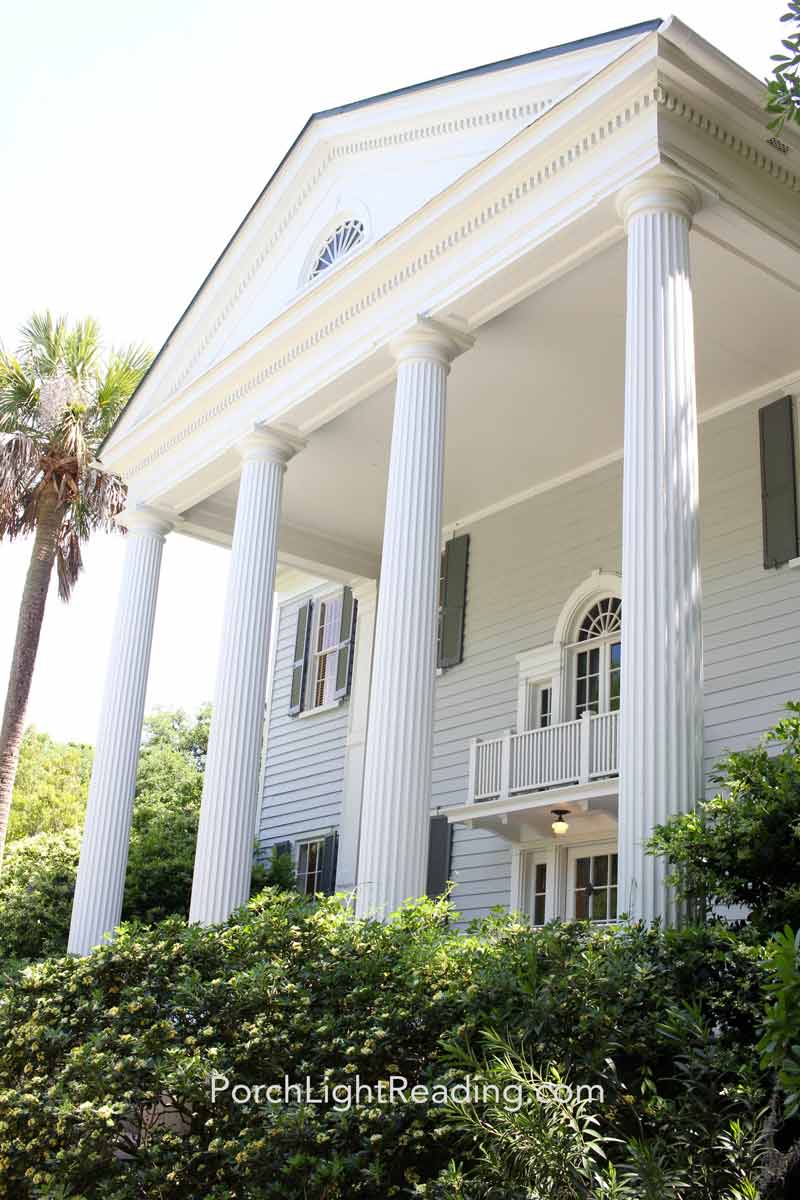
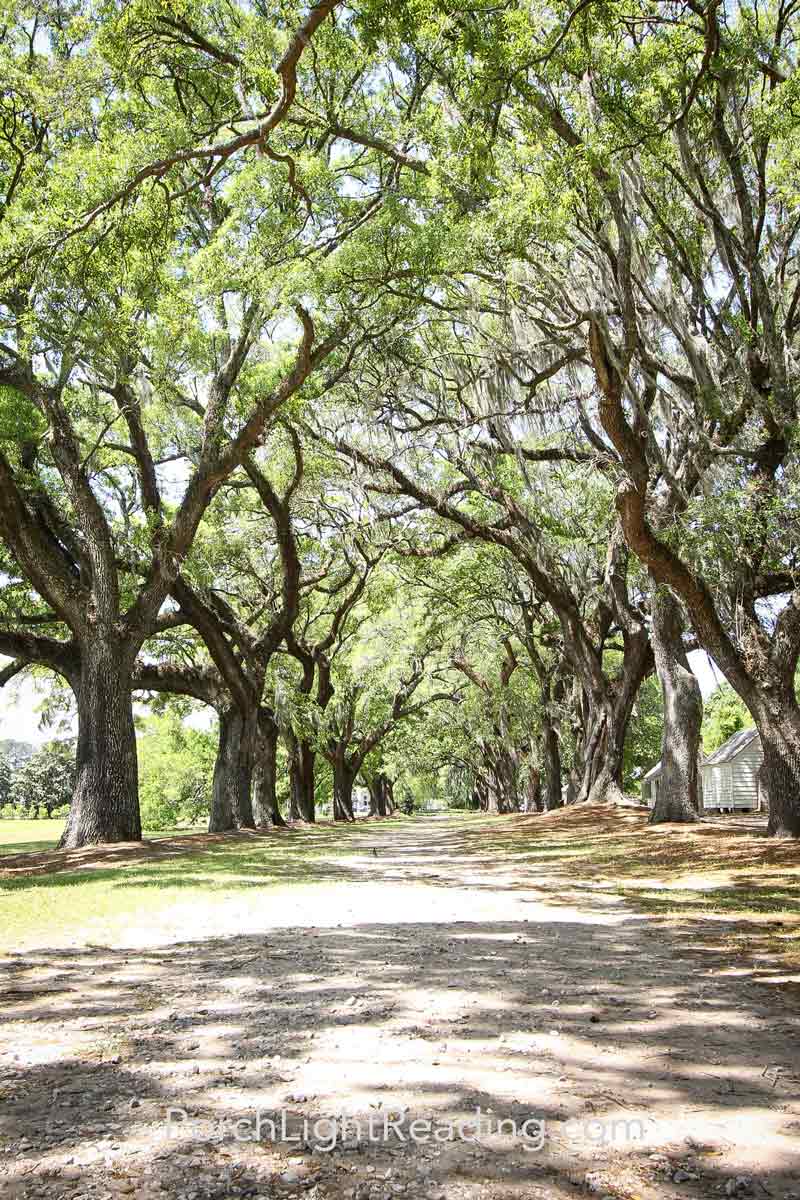
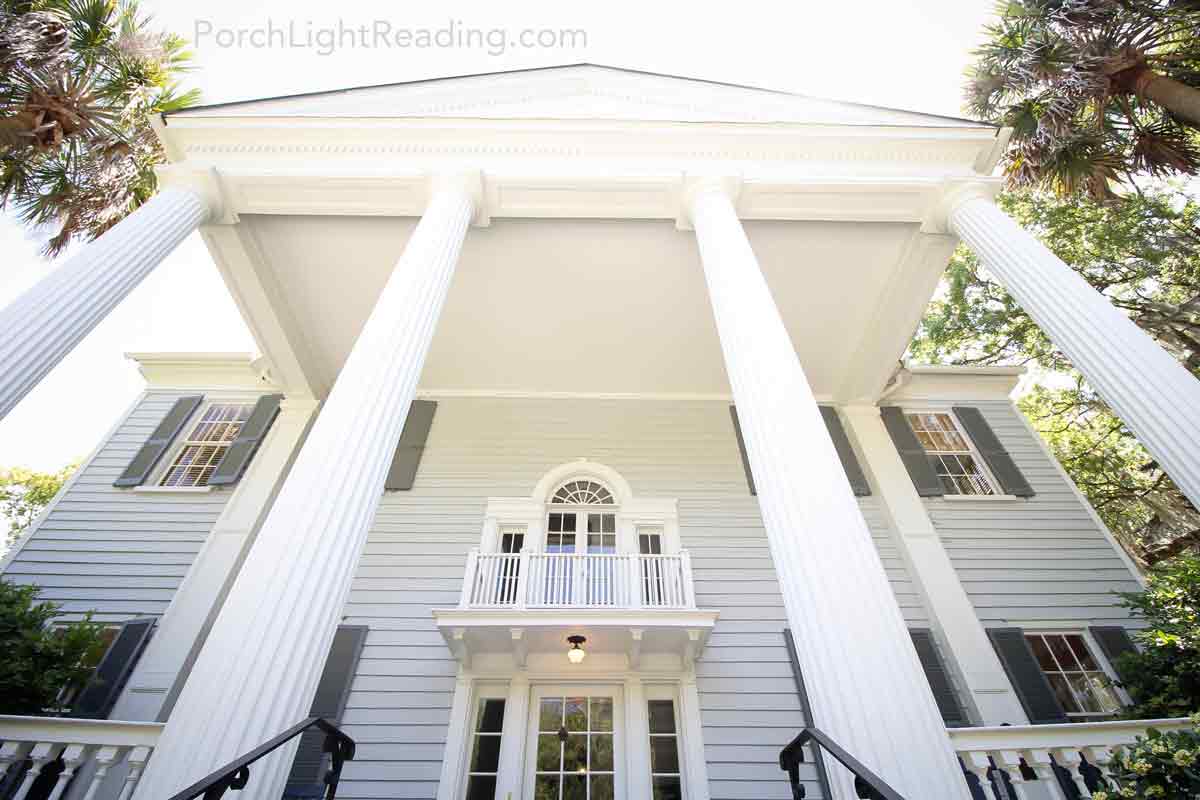
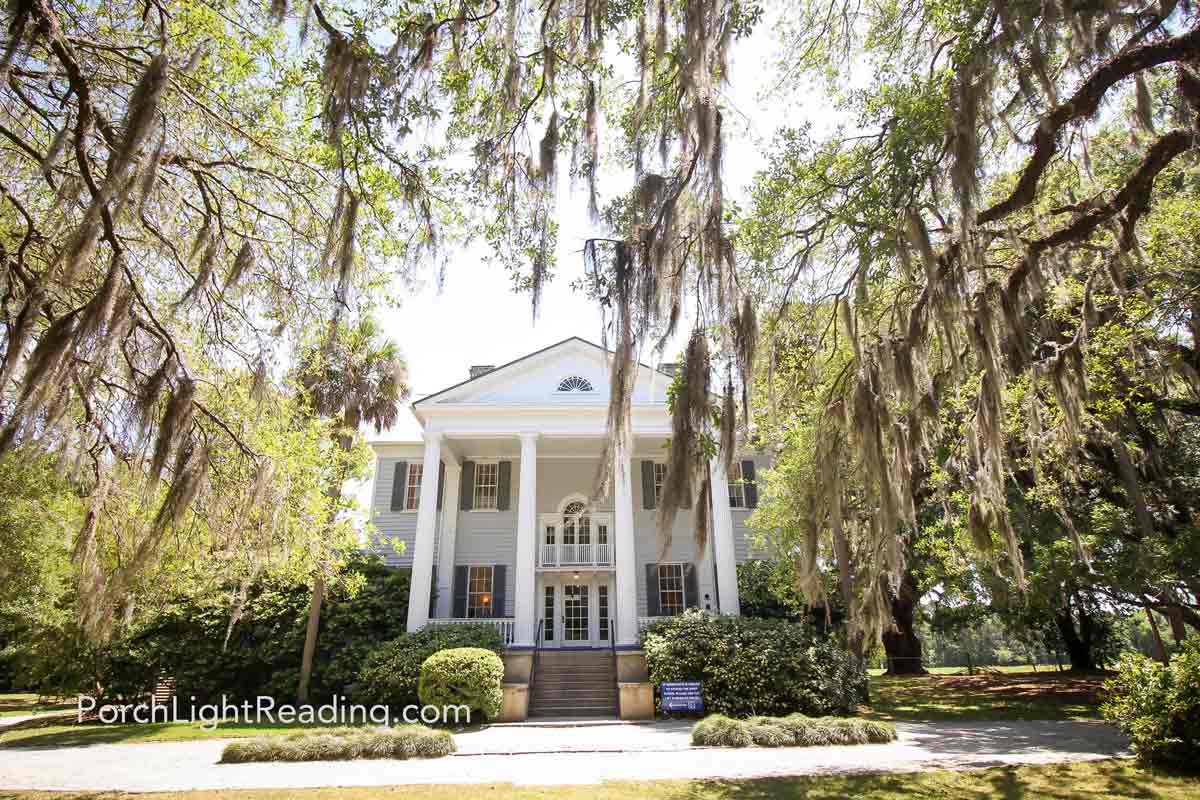
McLeod Plantation Historic Site is a bit smaller than other plantations in the area but the things you would expect to see are still there. Large live oak trees line the path leading to the grand white house with four pillar columns and a balcony overlooking the estate.
Built in 1851 you are in awe of how something so impressive could be built 175 years ago.
Historical Guided Tour
“This is all fake! So pretend this doesn’t exist!” Our tour guide shouted after asking our names, where we’re from, and what brought us on the tour today. It grabbed all of our attention as we looked around to one another.
He explained that this tour would be different. On this tour we would not be talking about the McLeod’s as much as we would be talking about the enslaved people who once worked this land. We would follow the lives of the men, women, and children that lived and worked here as opposed to the family that owned them.
Of course the McLeod’s were mentioned in the stories that followed, but they were not the main focus and neither was the house standing tall in the background.
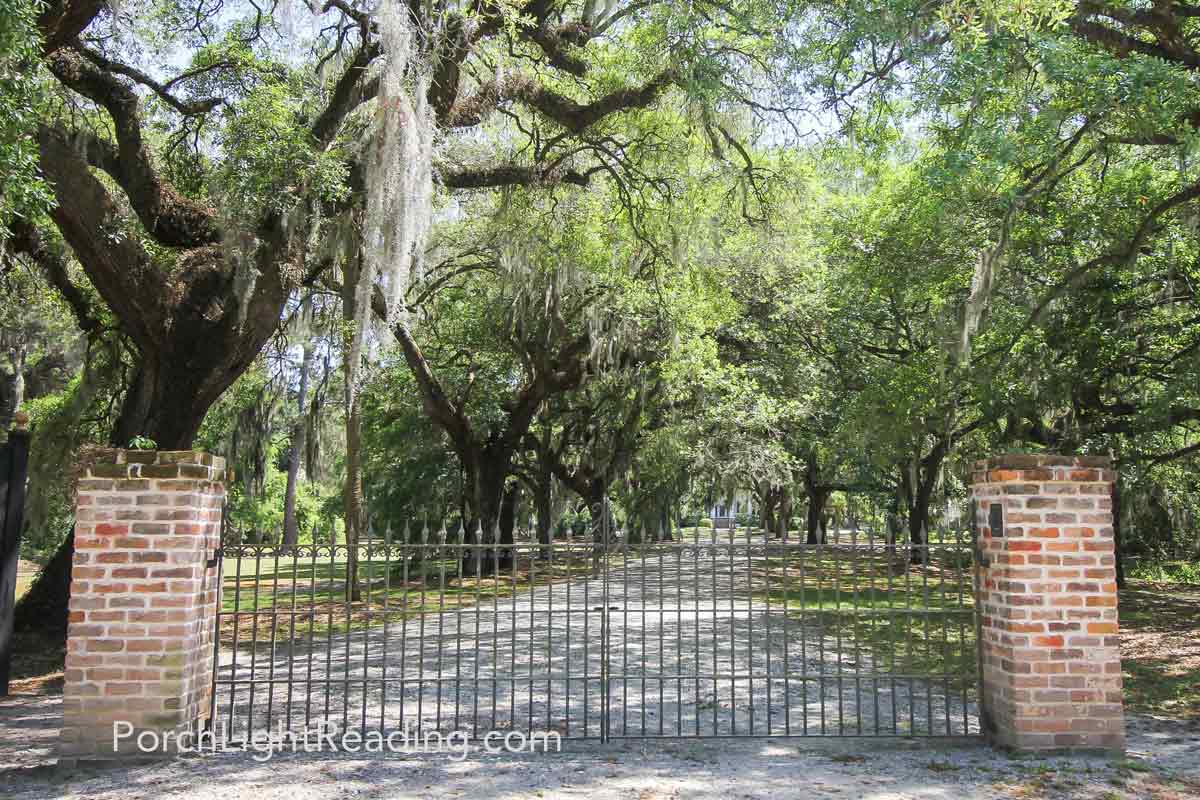
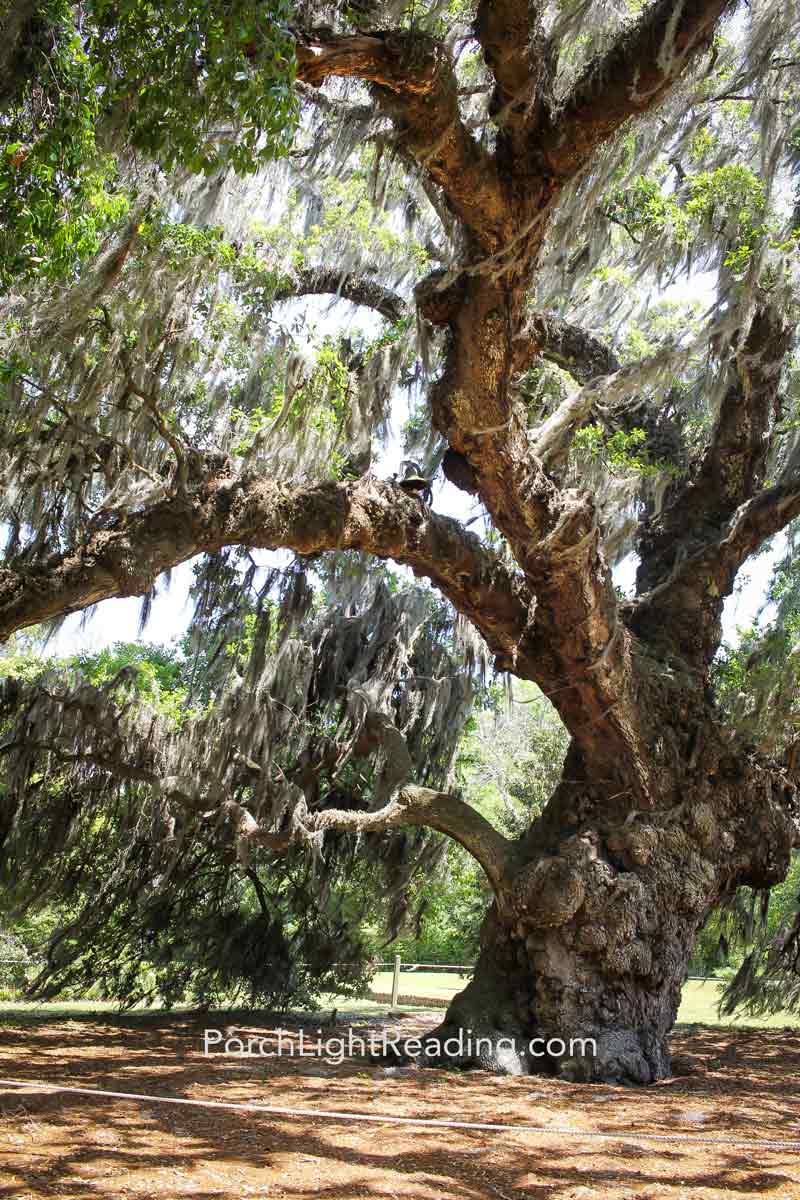
What he meant by the words “this is all fake,” was that this plantation was established before the land looked like what you see today. A smaller house was on the property before 1851 and that family too owned slaves that worked the land. The live oak trees providing shade above us were not originally there and were later planted to enhance the look of the newer built house.
Long before this grand white house with its balcony overlooking the property, were generations of slaves building this plantation’s wealth.
The Grounds
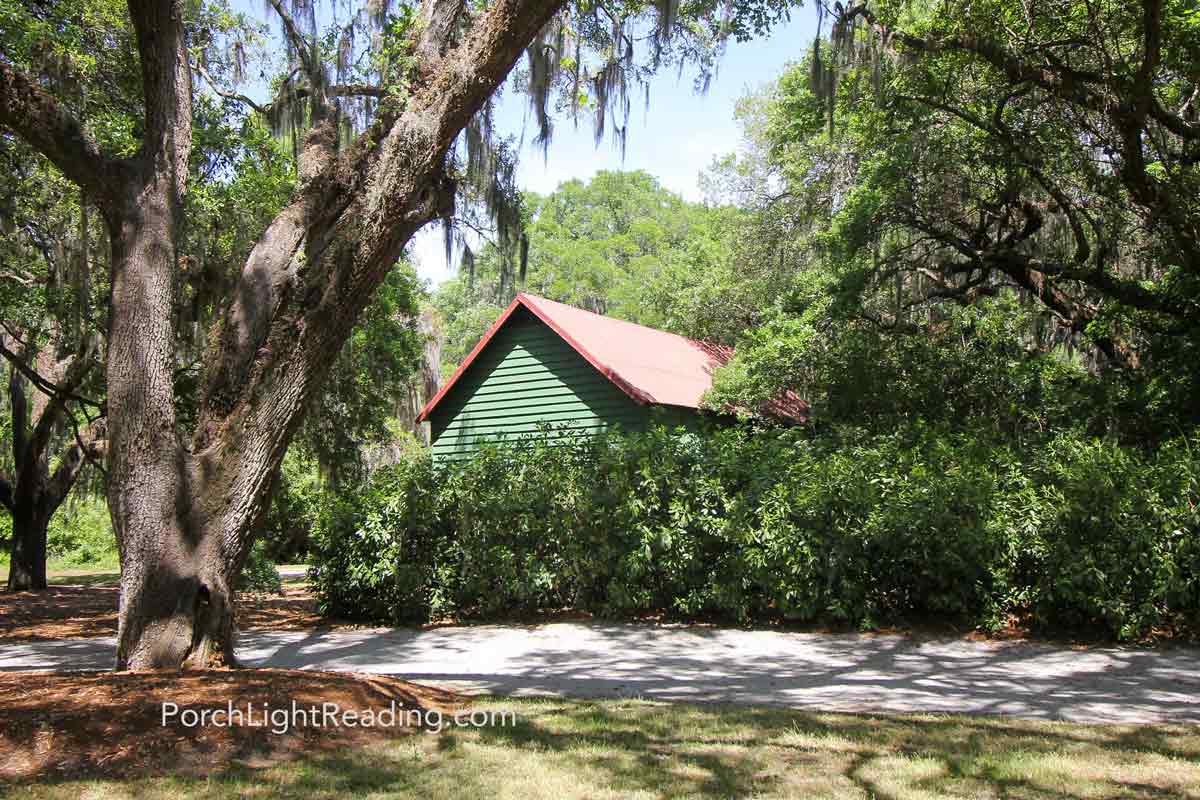
We left the house behind and started our tour around the property. We learned that from a young age slaves were expected to work and by 16 they were expected to do the same workload as an adult. Small fingerprints are left behind in the bricks of the building that followed as a reminder that young slaves were here.
As the tour continued our group of 50 was encouraged to ask the questions! How much did a slave cost? Where could they be purchased or rented? What age and gender was more desirable and why? Respectfully the questions were asked and respectfully the questions were answered.
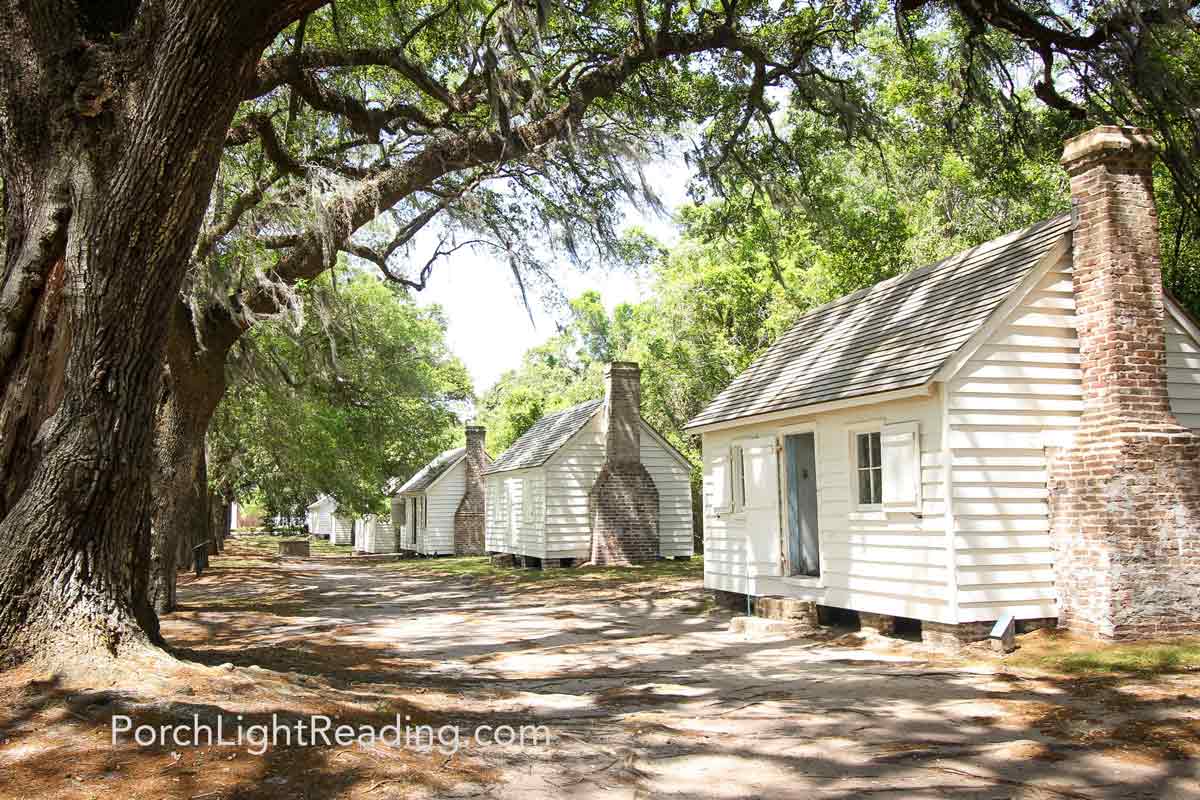
Slave Quarters
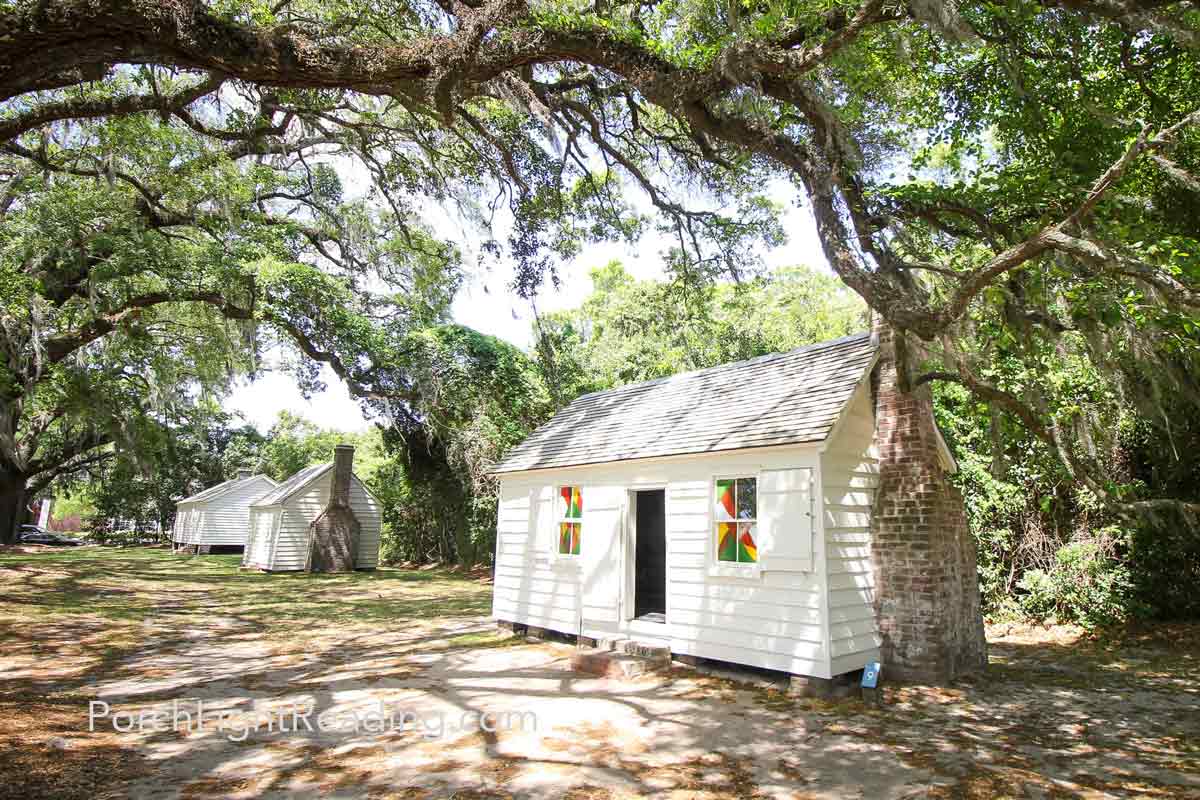
The tour ended by the slave quarters with all of us coming away much more knowledgeable of the Gullah/Geechee heritage and a better understanding of the events that lead to where we are today as a country.
Learning about Leia, the four year old slave who was purchased as a play thing for the plantation owner’s children. Where she slept, how she lived, and how she was ripped away from her mother as a young toddler.
The Civil War that eventually followed and how the house was used by both the Confederacy and the Union, then as the site for the Freedmen’s Bureau, which helped formally enslaved people transition into freedom.
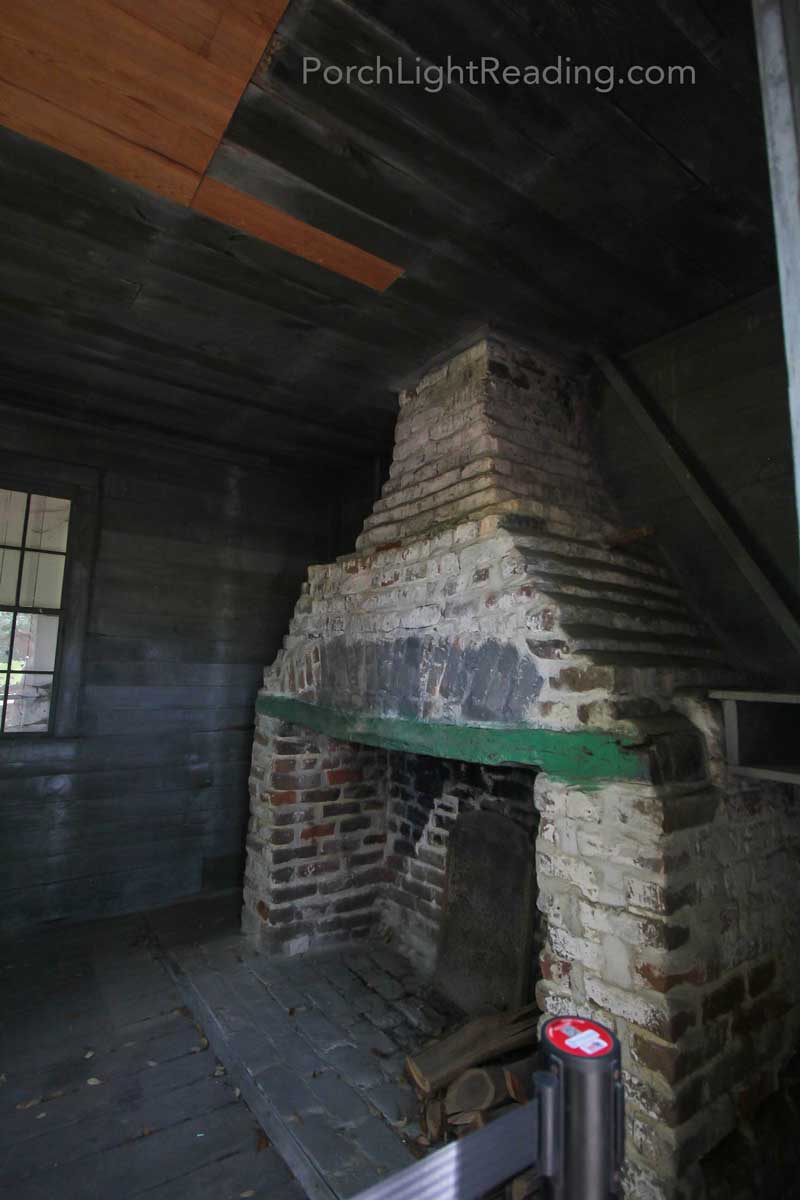
Six slave quarters still stand on the property today as a reminder to us all.
McLeod Plantation House
McLeod Plantation was built in 1851 and the original front entrance was facing the opposite direction. In 1924 the columns were added and the back of the house become the front, and the beautiful house you now see today.
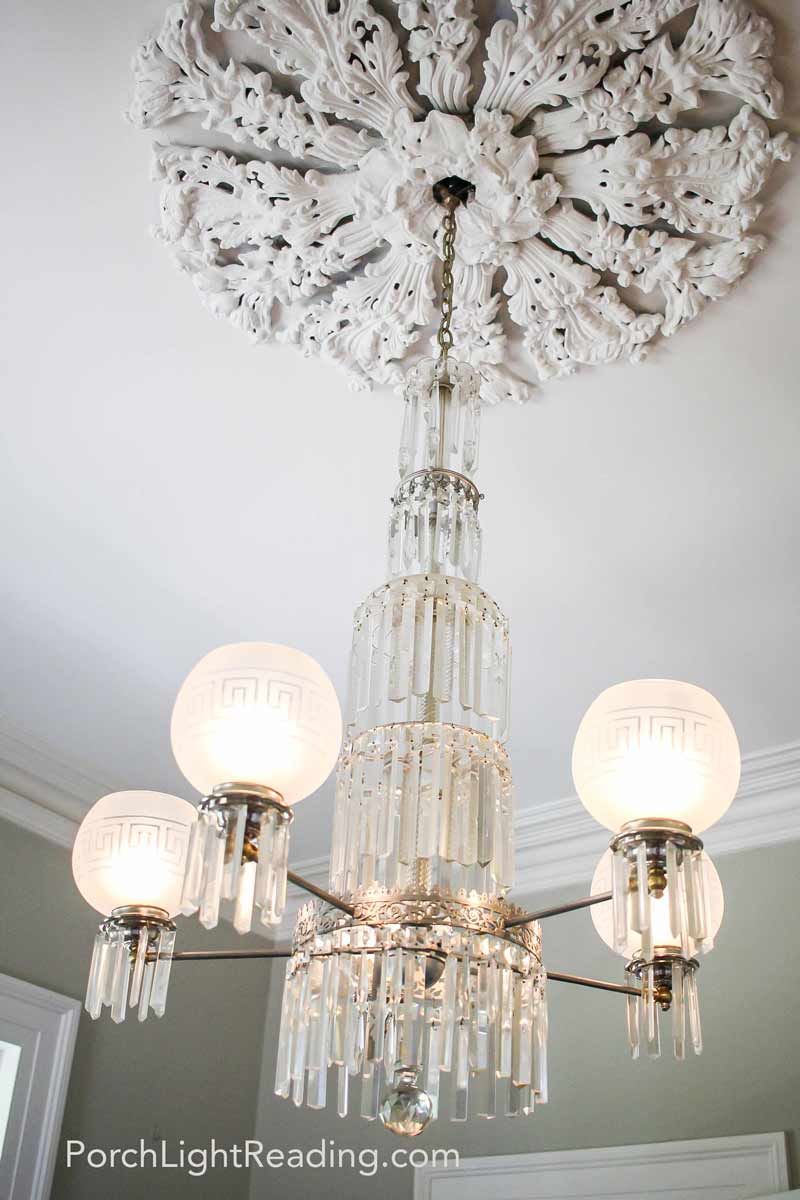
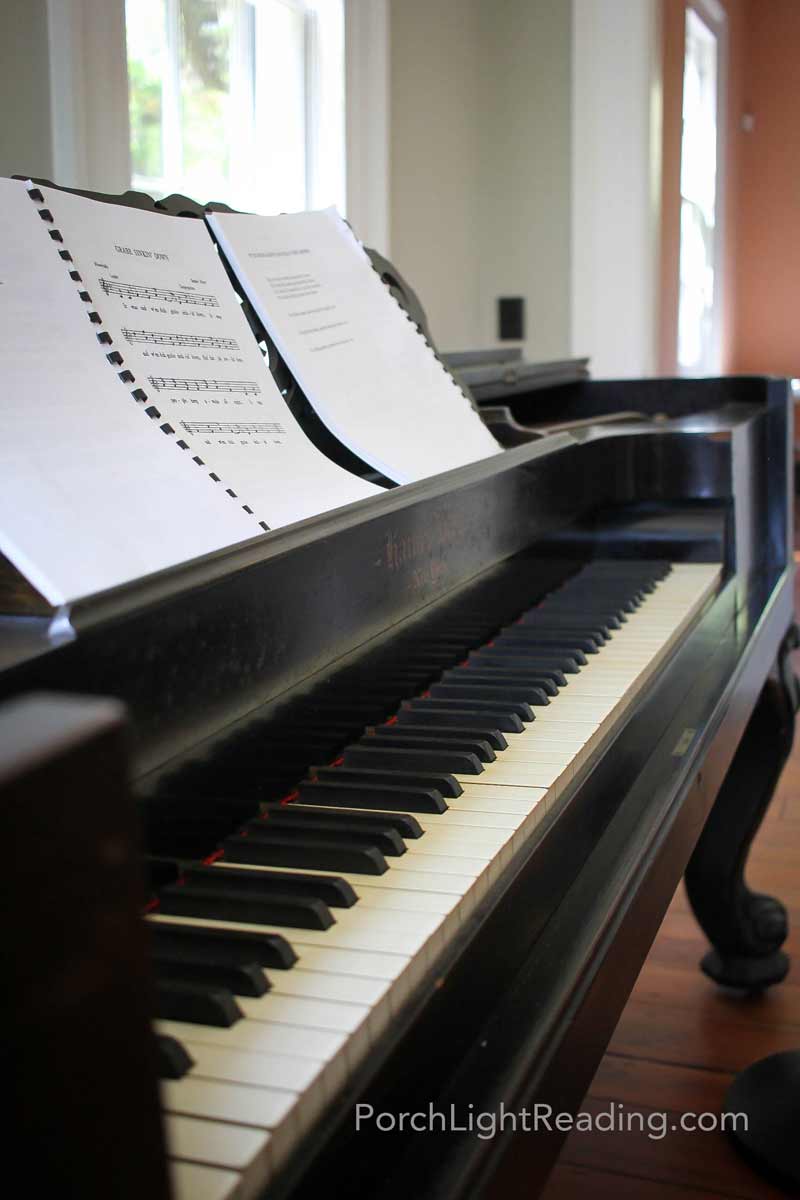
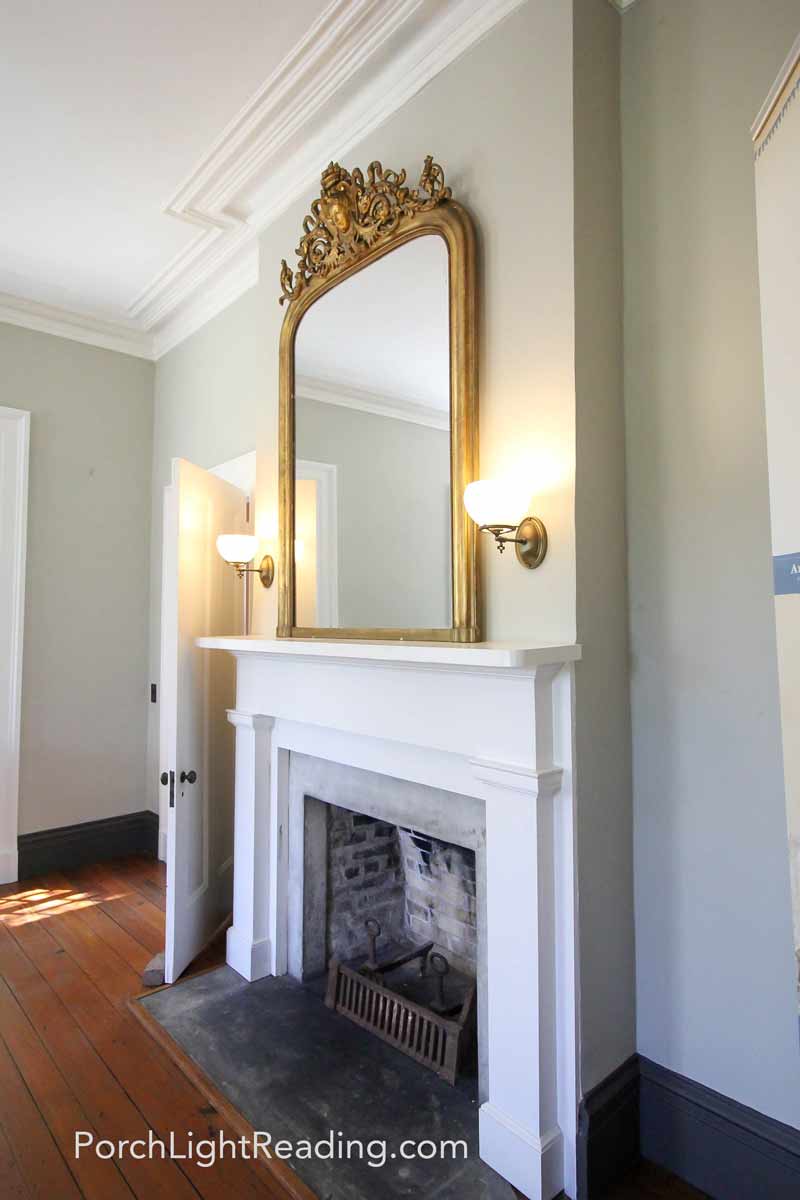
After learning about Leia, and others who worked this land, the grand entrance becomes cold. The door opens with a creak and you walk the first floor with fireplaces, chandeliers, piano, and staircase with wooden rail leading to the second story. If you listened during the tour then this house is just empty, a facade, fake. As the real heart beats in the slave quarters.
Hours and Admission
McLeod Plantation Historic Site is located on James Island at 325 Country Club Drive, Charlestons, SC 29412. They are open Tuesday through Sunday 9am-4pm. They are closed on Thanksgiving, Christmas Eve, Christmas Day, and New Years.
- Admission
- $20 per person ages 13 and up.
- $6 ages 3-12
- Free ages 2 and under
- $15 ages 60+
- Free with Charleston County Parks Pass Gold Members. 4 Guests per visit.
- Guided tour included with admission
- 9:30am, 10:30am, 11:30am, 12:30pm, 1:30pm, 2:30pm
Related Posts:


Frequently Asked Questions
You know your children best, but as a mother I can comment on a few personal things. Since the tour is completely outside you can easily move to the back if your child becomes unsettled. They do cover sensitive topics including how plantation owners acquired slaves that were not fully dark skinned. These things are addressed in a respectful and informative manner.
The tour can take anywhere between 45 minutes to just over an hour.
Plan to spend about 2 hours at McLeod Plantation. One hour for the guided tour and 1 hour to tour the grounds and first floor of the house.
Restrooms can be found in the visitors center.
No, there are no picnic tables on the premises.
Pets, bicycles, and smoking are prohibited.
Tips For Your Visit
- Start early- It is hot in Charleston! Start earlier in the day to fully enjoy your experience and help stay cool.
- Bring water- Water is a must on the tour anytime, but especially in the hot summer months.
- Dress comfortably- Leave the heeled wedges at home and choose comfortable shoes. Remember that dark clothing absorbs the heat so dress for the weather.
- Be respectful- This is an educational experience.
Things To Do In The Area
McLeod Plantation is really close to downtown Charleston, so there is plenty of things to do in the area. While downtown you can visit the aquarium, take a ferry to Fort Sumter, see Rainbow Row and the Pineapple fountain, do a carriage tour downtown, along with other museums such as The Charleston Museum.
- Downtown Charleston
- Aquarium
- Fort Sumter
- Rainbow Row
- Charleston City Market
- The Charleston Museum and more!
- Angel Oak Tree- Over 500 years old!
- Charles Towne Landing- State Park
While driving home we had a larger conversation about what it truly means to now be living in the South. How even when something is legal it can still be wrong. And questioning if turning a blind eye makes you equally guilty when an entire society around you has a different way of thinking.
Even though the conversation started with the plantation, it continued with how slaves were brought over on ships, the captions of those ships, the slave market, plantations, and finally the Civil War.
McLeod Plantation does not sugar coat history and if you’re looking for roses I would suggest a different plantation, because this one has thorns.
You also might like…


Back to Travel Life
Like this travel destination? Save this post to Pinterest for later by clicking the Pin below!
Thank you for such wonderful information!!!
FYI- aquarium is spelled wrong above
I’m so glad you found this helpful! And thank you for the heads up- Sometimes a misspelled word or two just slips past me. :-)